Healthy Habits for Parents to Promote to their Children

Getting kids to eat healthy isn’t the easiest task… however, there are ways to promote eating healthy that may make the process a bit easier. Here are a few tips:

1.) Offer choices

Don’t force children to only eat this or that. By offering choices, they’ll have a chance to see what they like and dislike, and doesn’t force them to eat something they really don’t want to.

2.) Allow them to make their own plate

Giving them the freedom to choose what they want on their plate not only gets them interested in trying new foods, but also gives them the independence to try it on their own.

3.) Don’t force it

Nobody likes being forced to do things – and that includes children. Instead of forcing them to try a food, encourage them instead. However, it may not happen on the first try so just continue to be patient and try different seasonings to change up the taste.

4.) Leading by example

Children are extremely influenced by those around them – especially their parents. Parents can’t want their children to eat healthy, but not live a healthy lifestyle themselves. They have to provide healthy alternatives and options, as well as set a good example of what eating nutritionally looks like.
Avoiding Unhealthy Food Options Marketed to Children

Food marketing has a powerful effect on children – their fast food and sugary drinks are what children crave because it tastes good, and looks enticing. However, these empty calories are extremely high in saturated fats and sugar which ultimately lead to excessive weight gain and even other health problems such as heart disease or diabetes.

Unfortunately, the food that’s marketed to children is usually fast, easy, and cheaper than healthy alternatives making it the perfect treat for children to want.

These ads are effective and promote children to ask their parents to pick up these sugary snacks and even munch between meals more often. Food marketers create positive associations with these unhealthy foods to create a false positive connection with them. This in turn can harm kids in their relationship with food.

Parents need to ensure that they’re letting their kids know that these brands aren’t advertising healthy options. They also need to lead by example in order to promote healthy alternatives. Parents also need to work at not giving in to their children begging them to buy these unhealthy options just to avoid conflict. It’s better to explain why they shouldn’t trust these brands and should turn to healthier options.

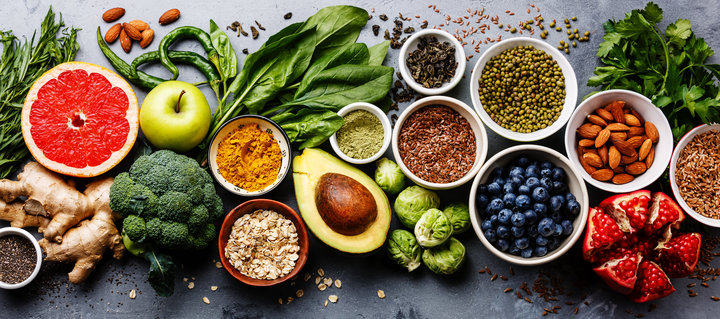
Healthy food clean eating selection: fruit, vegetable, seeds, superfood, cereal, leaf vegetable on gray concrete background

Why a Balanced Meal is Important

A balanced meal is one of the most important things for a child. It’s what gives them the nourishment for proper development mentally and physically.

Here are a few reasons why a balanced diet is so important:

• Ensures the child will receive the necessary nutrients for growth and development

• Timing of meals and snacks help to regulate appetite in order to promote a healthy relationship with food

• Helps them to eat in a mindful manner and for hunger, rather than for boredom emotions, or outside triggers

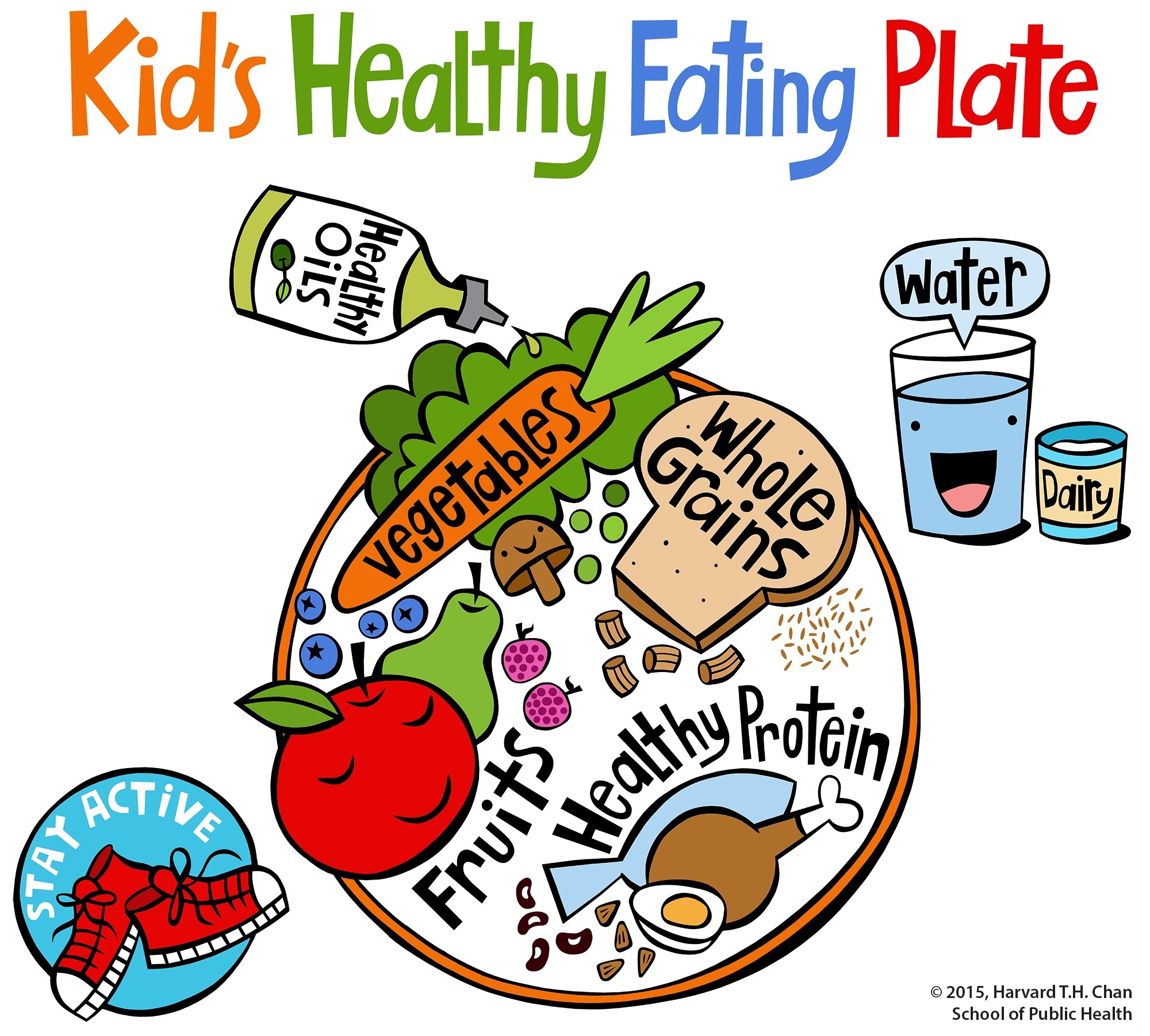
5 Food Groups for Kids & their Nutrients:

The fruit group and vegetable group (for brevity, placed together) target potassium, vitamins A and C, and fiber, among other nutrients.

The protein group covers iron, zinc, vitamin B12 and more.

The dairy group covers calcium, vitamin D, and potassium.

The grains group offer other important nutrients such as B vitamins and fiber.

Sample Meal Plan for Kids

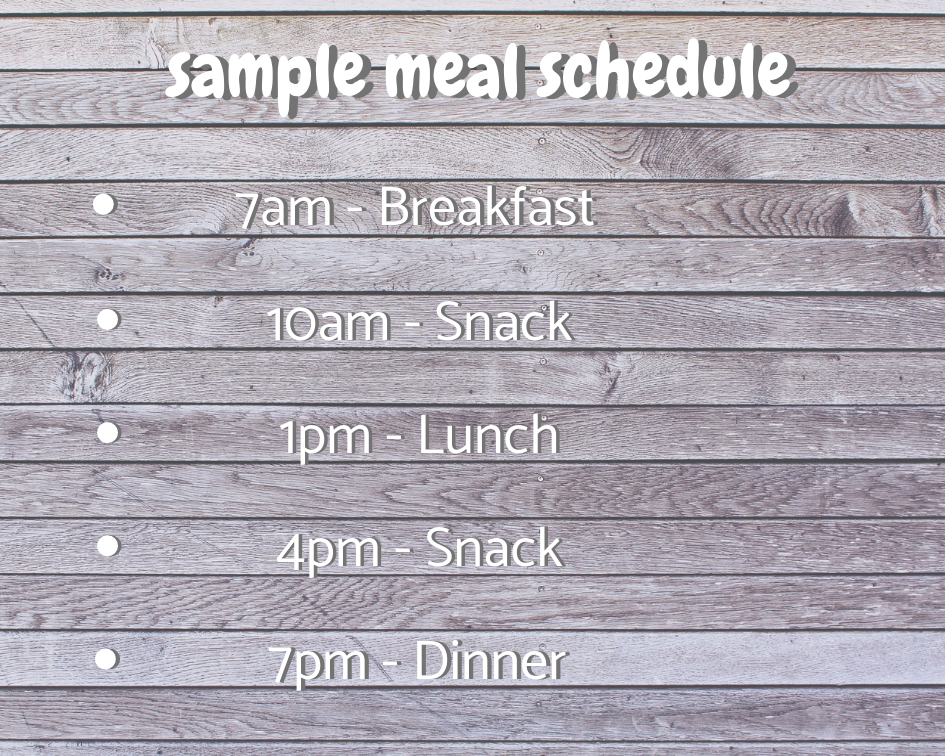
It’s no secret that healthy eating is an important part in a developing child’s life. However, we see too often that parents want their children to eat healthy, but aren’t providing healthy options or displaying nutritional habits themselves. Providing a meal plan for children can keep overeating at bay, and promote predictability and security around food.

By implementing a schedule, this promotes rhythm which not only promotes a balanced lifestyle, but also prevents overeating in portion or too frequently.